
Miniature Digicams: Trash or Actually Worth It? I Ranked the 5 Best Tiny Cameras on Amazon
By Casey | Tech, cameras, and things I probably don’t need but want anyway
Let me get this out of the way: no, that tiny camera hanging off someone’s tote bag is not going to take better photos than an iPhone. And if you’re buying a miniature digicam because you think a $30 keychain camera will magically give you the image quality of a $1,000 vintage compact, please keep your expectations in check.
But here’s the thing. I kind of get the hype.
Miniature digital cameras are having a moment, from the viral Kodak Charmera to retro-looking TLR cameras and random little gadgets all over Amazon. They look cute, make photography feel less serious, and give your photos that slightly chaotic, early-2000s energy that your phone’s Portrait mode can’t quite fake.
So, are miniature digicams actually worth buying, or are we paying for nostalgia in a plastic shell?
I looked at five tiny cameras worth considering, including the Kodak Charmera, the Fujifilm Instax Pal, and some cheaper alternatives. This is not a lab test, and I haven’t personally shot with every camera on this list. Think of it as a research-based buying guide with one important rule: buy the camera for what it actually does, not what the product photos promise.
Are Miniature Digital Cameras Actually Good?

Yes, but only if you understand what you’re buying.
Take the Kodak Charmera. It has a tiny 1.6MP sensor, a small screen, built-in filters, and a keychain-friendly body. Independent testing by Tom’s Guide found that the photos have a fun lo-fi look, but the image quality and video are underwhelming compared with modern cameras.
That’s not necessarily a dealbreaker. A miniature digicam isn’t trying to win a sharpness contest. It is trying to capture a moment without making you feel like you’re operating a tiny computer.
Here’s my personal ranking logic:
- Fun factor: Does it make you want to take more pictures?
- Image character: Does it create an interesting look, rather than just bad-looking photos?
- Actual usability: Can you carry it, use it, and transfer your pictures without getting annoyed?
- Value: Is the experience worth the price?
One important distinction: grain, soft focus, and imperfect colors can look cool. Blurry photos, crushed shadows, and weird digital artifacts aren’t automatically artistic. Sometimes a cheap camera gives you character. Sometimes it just gives you a bad photo.
The 5 Best Miniature Digicams to Consider
Prices below are approximate US retail or reported prices, not guaranteed live Amazon offers. Listings, bundles, availability, and seller prices can change, so check the current product page before buying.
1. Kodak Charmera: Best Overall for the Tiny-Camera Trend
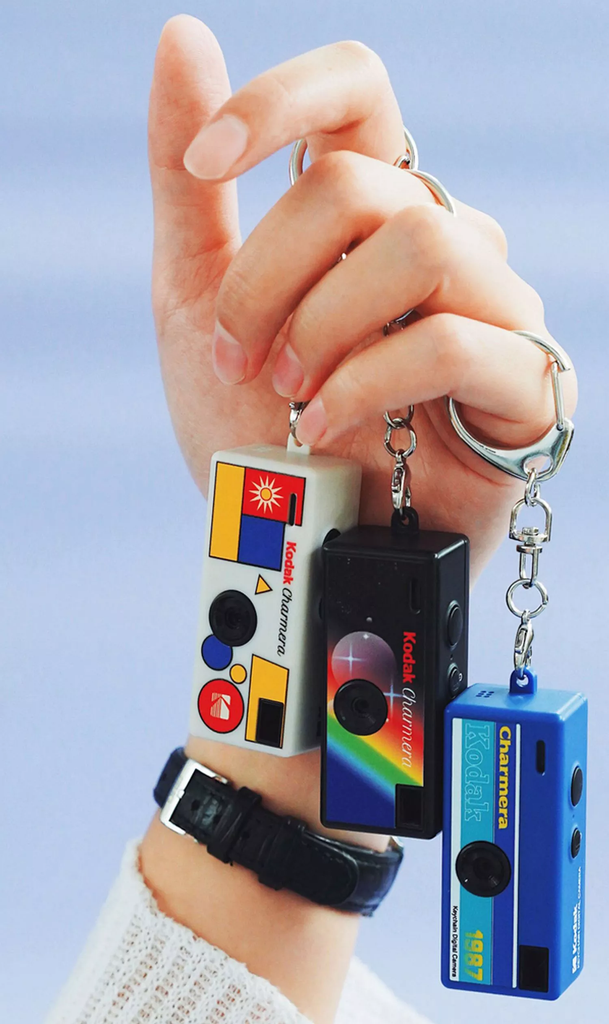
Approx. price: $35 | Best for: everyday carry, cute accessories, and lo-fi snapshots
The Kodak Charmera is basically a camera charm that happens to take pictures. It comes in different retro designs, and the blind-box packaging adds a collectible element. You don’t necessarily know which design you’ll get until you open it, which is either fun or a shopping strategy designed to make you buy more than one. You decide.
Its appeal is obvious: it’s tiny, easy to carry, and has built-in frames and filters. The 1.6MP output is deliberately low-fi, and it can record video too, although neither its photos nor videos should be confused with premium camera output.
Why I’d buy it: It’s the most convincing version of the miniature-camera idea. The design, portability, and playful shooting experience all make sense together.
Why I’d hesitate: You’re paying for the concept as much as the camera. If your main goal is image quality, this isn’t the smartest use of $35.
Casey’s verdict: This is the one I’d clip to my bag for a concert, a day out with friends, or a random Tuesday. Not because it’ll capture the best photo of my life, but because I might actually use it.
Check Kodak Charmera on Amazon
2. JOYTRIP Chuzhao: Best for the Retro Camera Look
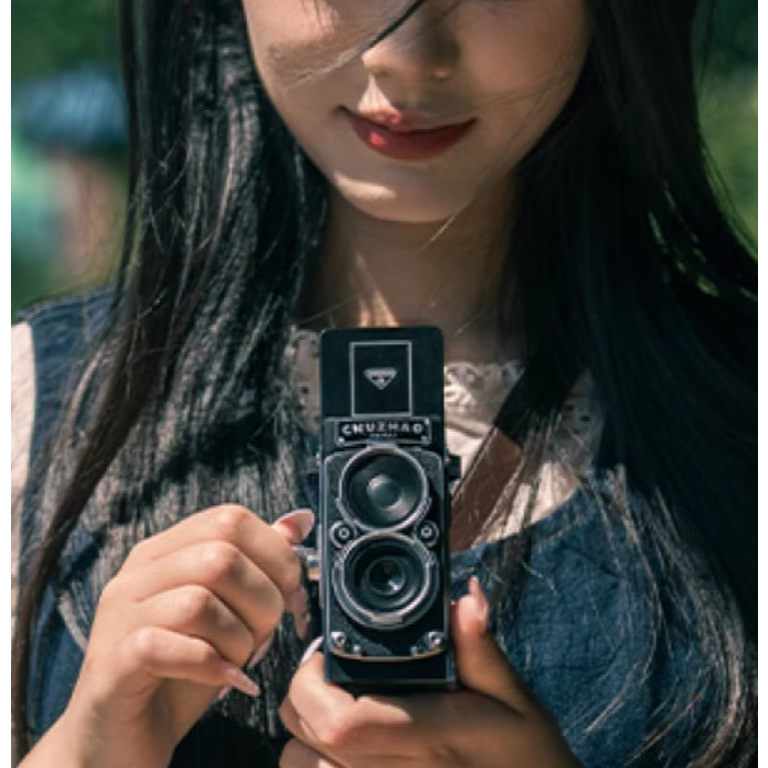
Reported Amazon price: around $38 | Best for: people who want a miniature camera that looks like a real camera
The JOYTRIP Chuzhao takes inspiration from twin-lens reflex cameras, the old-school boxy cameras with two lenses on the front and a waist-level viewing style. Its design is a lot more distinctive than the generic plastic keychain cameras flooding online marketplaces.
It is still an inexpensive digital camera, so don’t mistake the retro body for vintage-camera performance. The styling is the main attraction, and the actual image output depends on its small sensor and basic lens.
Why I’d buy it: It looks like something you’d display on a desk or bring on a photowalk just to see what happens. It has more visual personality than another generic mini camera.
Why I’d hesitate: Retro design doesn’t guarantee a retro image. If you’re expecting rich film-like colors or the rendering of an old CCD compact, you may be disappointed.
Casey’s verdict: Probably the most fun-looking option on this list. I’d choose it over a random no-name keychain camera if the price and return policy were reasonable.
Check JOYTRIP Chuzhao on Amazon
3. Fujifilm Instax Pal: Best for People Who Want More Than a Novelty
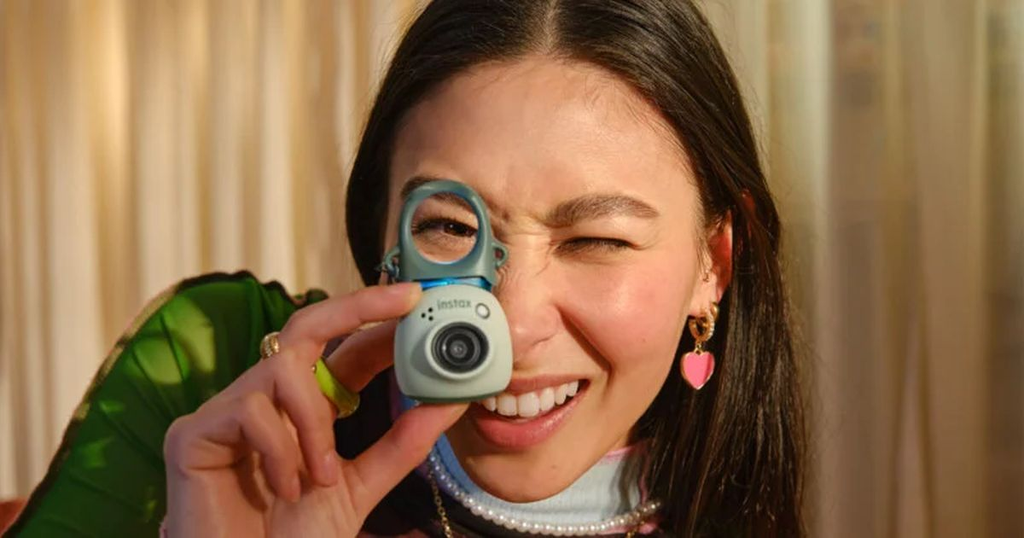
Reported price: around $99 for the original model | Best for: casual photography and people already into Instax
The Instax Pal is a little different from the other cameras here. It’s tiny and playful, but it comes from Fujifilm’s Instax ecosystem. It captures digital images and can connect with compatible Instax printers, so you can turn selected photos into physical prints.
That last part is important. If you like the idea of collecting memories instead of letting everything disappear into your camera roll, the Pal has a more complete purpose than a novelty keychain camera.
It’s not perfect. Its tiny sensor struggles in low light, and the image quality won’t compete with a modern smartphone. It also doesn’t print photos by itself, so you’ll need a compatible printer if instant physical photos are the goal.
Why I’d buy it: It offers a clearer photography experience and a way to turn digital shots into tangible keepsakes.
Why I’d hesitate: It’s considerably more expensive than the Charmera, and the total cost rises if you add a printer.
Casey’s verdict: The grown-up pick. Less collectible toy, more actual photography accessory. But only buy it if you’ll use the Instax features.
Check Fujifilm Instax Pal on Amazon
4. GSNAGOLE Mini 1080p Camera: Best Cheap Experiment
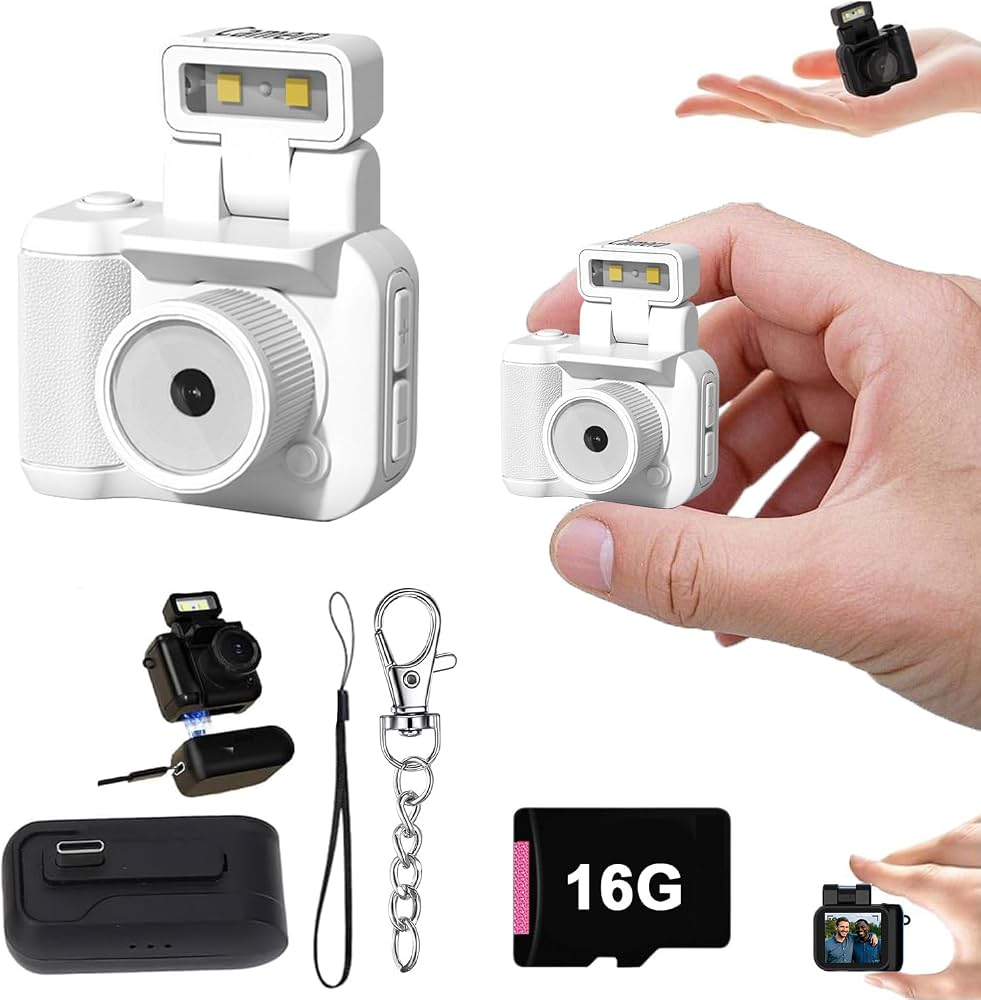
Reported price: around $26 | Best for: curious beginners and people who want to spend as little as possible
Amazon has plenty of miniature cameras sold under lesser-known brand names. One example is the GSNAGOLE mini camera, which has been listed as a small 1080p camera.
Here’s where I’d be careful. A listing that says “1080p” doesn’t tell you how good the still photos are, how well the camera handles low light, or whether the video looks decent in real-world conditions. Resolution claims alone are not a quality guarantee.
With less-established brands, I would check customer photos and videos, recent reviews, the return policy, and whether the listing clearly explains storage and charging. Don’t let a long list of impressive-sounding specs do all the convincing.
Why I’d buy it: If it’s genuinely cheap and returnable, it could be a fun way to test whether you enjoy carrying a tiny camera.
Why I’d hesitate: Quality control, support, and consistency are harder to judge without extensive independent testing.
Casey’s verdict: This is the budget gamble. I’d consider it as a fun experiment, not as a camera I’d confidently recommend to someone who cares about reliable results.
Check GSNAGOLE mini cameras on Amazon
5. Generic Mini Keychain Digicam: Best for the Cheapest Entry Point
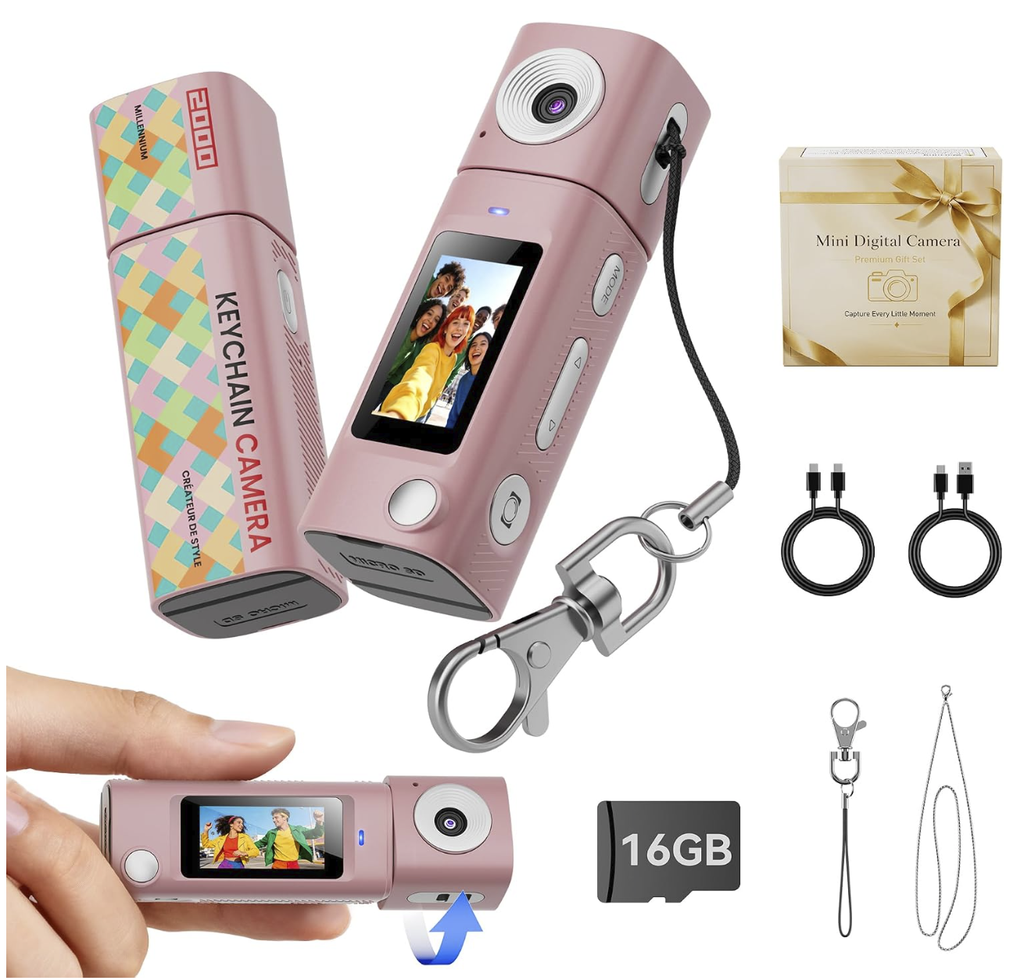
Typical budget range: roughly $10 to $30 | Best for: novelty gifts and casual experimentation
Search Amazon for “mini keychain digital camera” and you’ll find a whole universe of tiny cameras with nearly identical designs, similar spec sheets, and different brand names.
Some may be perfectly fine for the price. Others may disappoint with sluggish controls, poor low-light performance, weak batteries, or image quality that looks worse than expected. The challenge is that similar-looking cameras can come from different sellers or manufacturers, so one review may not tell you much about another listing.
If you’re going this route, don’t automatically pick the cheapest one. Look for actual customer-uploaded images, clear details about the memory card, USB connection and battery, and a seller with a straightforward return policy.
Why I’d buy it: You’re curious about the trend but don’t want to spend much.
Why I’d hesitate: It’s easy to pay for a product photo rather than a product that has been properly reviewed.
Casey’s verdict: Fine as a silly little gift or a low-stakes experiment. I wouldn’t buy one expecting dependable photography.
Browse mini keychain cameras on Amazon
Quick Comparison: Which Tiny Camera Should You Buy?
| Camera | Best For | Main Trade-Off | My Take |
|---|---|---|---|
| Kodak Charmera | Everyday carry and lo-fi snapshots | Very low resolution | Best overall trend pick |
| JOYTRIP Chuzhao | Retro design lovers | Appearance doesn’t guarantee image quality | Most distinctive style |
| Fujifilm Instax Pal | Casual photography and Instax printing | Higher total cost | Best ecosystem |
| GSNAGOLE mini camera | Cheap experimentation | Less certainty about quality | Budget gamble |
| Generic mini keychain camera | Novelty gifts | Inconsistent products and listings | Only buy with a good return policy |
Miniature Digicam vs. Your Phone: Is There Any Point?
Your phone will almost certainly win on sharpness, autofocus, dynamic range, low-light performance, and convenience. It also lets you edit and share your photos instantly.
So why carry a separate camera?
Because taking a picture with a dedicated device can feel different. You might stop checking notifications, take photos you wouldn’t normally take, and enjoy not worrying about getting a technically perfect shot. A cheap camera can also give you a distinct look without spending time applying filters.
But let’s not pretend every bad photo is secretly an artistic masterpiece. If the image has no interesting subject, composition, or moment, a low-resolution sensor won’t magically make it good.
The real value is in changing how you take pictures, not in making worse hardware sound superior to better hardware.
Are Chinese Mini Digicams Worth Buying on Amazon?
Sometimes, but I’d shop carefully.
The issue isn’t simply that a product is made in China. Plenty of excellent electronics are manufactured there. The issue is that Amazon has many listings from unfamiliar brands, and similar-looking products can vary significantly in quality, support, and reliability.
Before you buy, check these five things:
- Real customer photos and videos. Don’t rely only on polished marketing images.
- Recent reviews. Look for repeated complaints about charging, memory cards, or cameras failing after a few uses.
- Actual specifications. Find the still-image resolution, video resolution, storage requirements, and charging port.
- Seller and return policy. A cheap camera is less risky when returning it is straightforward.
- The price difference. If an unknown brand costs almost as much as the Kodak Charmera, ask what you’re getting in return.
One more thing: don’t assume a camera advertised as “4K” or “48MP” produces good images. Those numbers don’t tell the whole story, and some inexpensive listings use confusing or misleading marketing language. Look for independent samples rather than trusting the headline spec.
The Final Verdict: Trash or Real Stuff?
My answer is that miniature digicams are real products with a very specific purpose, but the trend also creates plenty of opportunities to overpay for novelty.
The Kodak Charmera is my top recommendation for anyone who wants to try the trend. It has a recognizable design, a genuinely tiny form factor, and a lo-fi shooting experience that makes sense for casual snapshots.
The JOYTRIP Chuzhao is the style pick, while the Fujifilm Instax Pal makes more sense if you want a camera that connects to a broader photography and printing experience. The lesser-known Amazon options are worth considering only if you’re comfortable doing a little homework.
Here’s my rule: if you want the best possible photos, use your phone or invest in a better camera. If you want a tiny gadget that makes everyday moments feel more playful, a miniature digicam might be worth the money.
Just don’t buy six of them because the first one came in the wrong color. That’s how a $30 experiment becomes a $180 personality trait.
Frequently Asked Questions
What is the best miniature digital camera?
For most people interested in the current miniature-camera trend, the Kodak Charmera is the easiest starting point. It is tiny, collectible, and designed for casual lo-fi photography. It is not the best choice if image quality is your top priority.
Is the Kodak Charmera worth buying?
It can be, if you want a fun keychain camera and understand its limitations. Its 1.6MP images are low-resolution, and its video quality is basic. Buy it for the experience, not as a replacement for your smartphone.
Are miniature digicams better than phone cameras?
Generally, no. Modern phones are much better for image quality, low-light shooting, autofocus, and convenience. Miniature digicams offer a different experience, portability, and a lo-fi look that some people enjoy.
Are cheap mini cameras on Amazon any good?
Some can be fun for casual use, but quality varies. Check real customer images, recent reviews, the exact specifications, and the return policy before buying.
Can miniature digital cameras take good photos at night?
Usually, this is where they struggle most. Their small sensors and basic lenses typically capture less detail in low light and produce more noise. For night photography, a modern smartphone or a more capable compact camera is a safer choice.
Sources and Further Reading
- Tom’s Guide: Kodak Charmera review
- TechRadar: Nine miniature cameras under $50
- Digital Camera World: Best Kodak keychain cameras
- Digital Camera World: Kodak cameras on Amazon best-seller lists
- The Gadgeteer: Yashica Funtastic Keychain Camera
- Fujifilm Instax Pal on Amazon
Affiliate disclosure: Just a heads-up: if you buy something through the links in this article, we may earn a small commission at no extra cost to you. It helps support our work.